Webinar: Maximizing the Book Depot Website

June 27, 2018

Throughout the years, we have been refining our website to make our customers’ buying experience as easy and efficient as possible. If you are new to our website and want to learn about all the features it has to offer, watch the video below. If you are a returning visitor, discover how you can get the most out of our site by leveraging its features to their full potential.


Website features covered (in order of reference):

If you prefer to read about the features on Book Depot, we invite you to read this article.


What would you like to see?

Do you have any suggestions or features that you would like to see built into our website to make your buying experience even better? Do you have any positive or negative feedback that you would like to share regarding our current site? Place your suggestions in the comments below.

Sidebar

What’s Hot, What’s Not at Book Depot

June 14, 2018

Bookstore owner: “For this buyers’ job, we need someone who is responsible.”
Applicant: “I’m the one you want. In my last job, every time there was a problem, they said I was responsible.”


Sound like someone you know? Have you ever been the “responsible” buyer for some duds? I’m quite sure we’ve all had our share of purchases that never materialized into profitable sales. Let’s admit it—it can be difficult to select all winners when we have a store or chain of stores to keep fully stocked with great titles that appeal to our customer base. This blog will hopefully help you a bit in discovering what’s hot and what’s not in the world of bargain books.


As one of North America’s largest purchasers of bargain books, Book Depot gets a huge selection of titles arriving every day. As a point of interest, we are now sorting 400 pallets of bargain books per week! Some of the product that finds its way into our inventory is like pure gold and sells out quickly. At the other end of the spectrum are books that have lost their relevance and salability. These will be quickly separated (often at the point of initial sortation) and recycled into various paper-based products. In between, where the bulk of our inventory falls, are good to great titles that you as a buyer need to sift through and decide what may or may not sell in your store(s).


Based on the last six months of sales at Book Depot and interviews with several of our seasoned sales reps, we have the following information you may find helpful:


What’s Hot:

  • Kids’ titles that have a STEM component (Science, Technology, Engineering, Mathematics)
  • Kids’ titles with a different format like sound books, lift-the-flap, and box sets
  • Fiction continues to sell very well, and in some cases, trade paper outsells hardcover due to the lower price point and less bulky format
  • Political books relating to recent events and certain individuals – any guesses on this one?
  • Inspirational and self-help titles, especially when linked to a well-known individual or celebrity
  • Brick-and-mortar stores do well with kids’ storybooks and board books that don’t necessarily need to be written by a big-name author, but instead, have a nice quality about them. Here is where the touch and feel experience makes all the difference
  • Adult colouring books, but a lower price point is key to successful sales
  • Cookbooks that are written by celebrities and/or deal with vegan and gluten-free content


What’s Not So Hot:

  • Generic cookbooks, especially those without rich, colourful content
  • Computer and Internet
  • Education
  • Sports and Recreation
  • Low-end paperback romance


In summary, content that is freely available on the internet tends not to sell well in printed form. Maybe it goes without saying, but high-quality content that is relevant (or timeless), priced well, entertaining, and worth sharing is going to find a customer and enrich their lives.


With over 50,000 current titles in stock, we have a huge selection of great books. Below is a special list of 35 top-selling titles at Book Depot, recommended by our sales staff, for your buying consideration:


Cover ISBN Title Category List Price (USD) Our Price (USD)
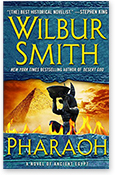
Pharaoh Cover Image 9780062651754 Pharaoh (A Novel of Ancient Egypt) Fiction $19.99 $2.25
Victoria Cover Image 9781250045478 Victoria Fiction $16.99 $3.50
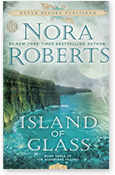
Island of Glass Cover Image 9780425280126 Island of Glass (Guardians Trilogy, Bk. 3) Fiction $17.00 $2.50
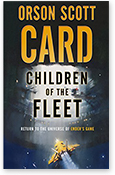
Children of the Fleet Cover Image 9780765377043 Children of the Fleet (Fleet School, Bk. 1) Fiction $25.99 $3.75
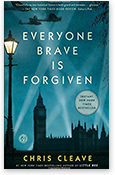
Everyone Brave is Forgiven Cover Image 9781501124389 Everyone Brave is Forgiven Fiction $16.00 $2.25
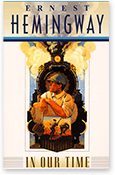
In Our Time Cover Image 9780684822761 In Our Time Fiction $14.00 $3.50
Mind Game Cover Image 9781250075857 Mind Game (Eve Duncan) Fiction $27.99 $4.50
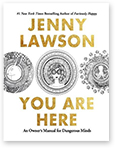
You Are Here Cover Image 9781250119889 You Are Here: An Owner’s Manual for Dangerous Minds Humor $15.99 $2.50
Victoria Cover Image 9780062568892 Victoria: The Heart and Mind of a Young Queen History & Geography $29.99 $5.00
Pogue's Basics: Life Cover Image 9781250080431 Pogue’s Basics: Life House & Home $19.99 $3.25
Obsessed Cover Image 9781250087256 Obsessed! (Hungry Girl, Clean & Hungry) Cooking, Food & Wine $21.99 $4.50
The How Not to Die Cookbook Cover Image 9781250127761 The How Not to Die Cookbook Cooking, Food & Wine $29.99 $6.50
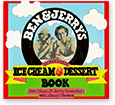
Ben & Jerry's Ice Cream & Dessert Book Cover Image 9780894803123 Ben & Jerry’s Homemade Ice Cream & Dessert Book Cooking, Food & Wine $10.95 $2.50
Nevertheless: A Memoir Cover Image 9780062409706 Nevertheless: A Memoir Biography & Autobiography $28.99 $3.25
I'd Know You Anywhere, My Love Cover Image 9780312553685 I’d Know You Anywhere, My Love Children Fiction $17.99 $3.00
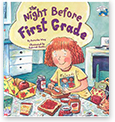
The Night Before First Grade Cover Image 9780448437477 The Night Before First Grade Children Fiction $3.99 $1.00
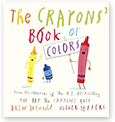
The Crayons' Book of Colors Cover Image 9780451534040 The Crayons’ Book of Colors Children Fiction $8.99 $2.25
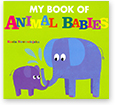
My Book of Animal Babies Cover Image 9781848698611 My Book of Animal Babies Children Fiction $8.95 $2.00
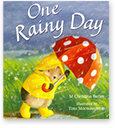
One Rainy Day Cover Image 9781848698567 One Rainy Day Children Fiction $8.95 $2.00
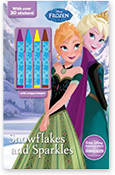
Snowflakes and Sparkles Coloring Book Cover Image 9781474821483 Snowflakes and Sparkles Coloring Book with Crayons (Disney Frozen) Children Fiction $4.99 $1.00
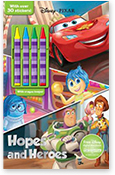
Hopes and Heroes Coloring Book Cover Image 9781474821490 Hopes and Heroes Coloring Book with Crayons (Disney Pixar) Children Fiction $4.99 $1.00
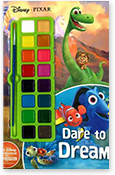
Dare to Dream Paint Palette Book Cover Image 9781474821681 Dare to Dream Paint Palette Book (Disney Pixar) Children Fiction $7.99 $2.00
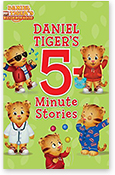
Daniel Tiger's 5-Minute Stories Cover Image 9781481492201 Daniel Tiger’s 5-Minute Stories (Daniel Tiger’s Neighborhood) Children Fiction $12.99 $2.75
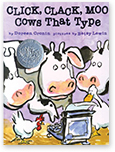
Click, Clack, Moo Cows That Type Cover Image 9780689832130 Click, Clack, Moo Cows That Type Children Fiction $17.99 $3.00
If Animals Kissed Good Night Cover Image 9780374300210 If Animals Kissed Good Night Children Fiction $7.99 $2.00
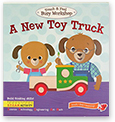
A New Toy Truck Cover Image 9781680520606 A New Toy Truck (Touch & Feel Busy Workshop) Children Fiction $12.99 $3.25
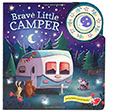
Brave Little Camper Cover Image 9781680520743 Brave Little Camper Children Fiction $12.99 $3.25
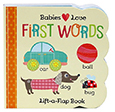
 First Words Lift-a-Flap Book Cover Image 9781680520095 First Words Lift-a-Flap Book (Babies Love) Children Fiction $7.99 $2.00
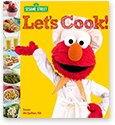
Let's Cook! (Sesame Street) Cover Image 9780544454361 Let’s Cook! (Sesame Street) Children Nonfiction $17.99 $1.50
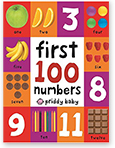
First 100 Numbers Cover Image 9780312522827 First 100 Numbers Children Nonfiction $5.99 $1.50
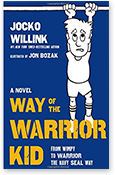
Way of the Warrior Kid Cover Image 9781250151070 Way of the Warrior Kid Tweens Fiction $13.99 $2.50
The Fourteenth Goldfish Cover Image 9780375870644 The Fourteenth Goldfish Tweens Fiction $16.99 $3.00
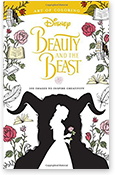
Disney Beauty and the Beast Cover Image 9781484789728 Disney Beauty and the Beast (Art of Coloring) Crafts & Hobbies $15.99 $2.00
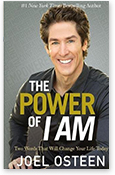
The Power of I Am Cover Image 9780892969982 The Power of I Am: Two Words That Will Change Your Life Today Religion & Spirituality $14.99 $3.75
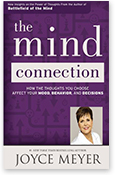
The Mind Connection Cover Image 9781455517275 The Mind Connection Religion & Spirituality $24.00 $3.75


Bill Van Vliet
CIO
Book Depot

Sidebar

Success Story: Salt Lake County Library Services

May 30, 2018

Customer Success Story Salt Lake County Library Services

Background

Salt Lake County Library Services is the largest public library system in Utah. They began operations some 79 years ago in 1939 out of two classrooms in the old Midvale School, UT. Today, they offer books, music, magazines – all in a variety of formats – and much, much more.

Salt Lake County Library Services currently runs a highly successful Summer Reading Program from its 18 branches that services approximately 60,000 participants across the county. The program features specially designed reading records to encourage the whole family to keep track of their reading progress throughout the summer. With the program offered to three different age groups for over two months, they need a reliable supplier they can count on to provide the huge breadth of high-interest titles they require for this program with a one-stop shopping experience.

Solution

With the largest selection of titles in the industry from nearly all major North American publishers, Book Depot is able to provide them with the extensive variety of titles in all age ranges they require to run a successful Summer Reading Program year after year. Book Depot offers a user-friendly website that gives clients a real-time view of its inventory and sales representatives to help facilitate easy order placement.

Results

5-10% increase in Summer Reading Program participants each year.

Salt Lake County Library Services chose Book Depot as their preferred supplier because Book Depot allows them to fulfill all their various needs (children’s books, tween, adult, nonfiction, and board books) from just one vendor.

Sidebar

The Survey Says – Make Your Business Stronger

May 9, 2018

How do your customers truly feel about you? Are you their “go to” source for books? Should you be restyling your store, or offering more products? I am sure these questions and countless others are always top-of-mind for all booksellers, but formalizing the process may get pushed aside in the hectic daily running of your business. One way to truly know how you are perceived – surveying your customer base. At Book Depot we query our constituents for each of our lines of business on an annual basis. We use this data to reflect on where we’ve been and as an important tool for planning our future. Some of the benefits of taking the time to properly plan and execute a surveying initiative include:


  1. Customer appreciation. People inherently love to feel valued and that they have a voice that is heard. They will be impressed that you respect their opinion enough to ask them how you are doing.
  2. Customer retention. Customer acquisition is tough and extremely expensive. Satisfying your customer’s needs will keep them coming back – increasing their lifetime value and providing a revenue stream that will be easier to forecast.
  3. Free information. Utilizing your own client base for information comes at no cost (other than time) and will be completely pertinent to your business as all the questions are about your business.
  4. Improve problem areas. We all like to think that each aspect of our business is running smoothly. Sometimes it takes an outside perspective to recognize the areas that need to be addressed.
  5. Recognize trends. Are you carrying the right mix of categories and keeping your finger on the pulse of the industry? Can you expand your product lines by carrying higher margin products? Asking product based questions will reduce your fiscal risk by identifying fact-based gaps in your selection. (It is impossible for one person to know everything there is to know about the publishing world.)
  6. Establishing a baseline. Performing surveys consistently over a length of time will provide you an opportunity to gauge yourself against yourself. Track all the changes you made and monitor how they are received.


I know what you must be thinking, theoretically I see the value – but I don’t have the time or know where to even begin. Let me assure you that it has never been easier than it is today. To make the process manageable, we have broken it down into three basic steps to help ensure your initiative will have success:


Scripting the Survey

  1. Pinpoint exactly what you want to know (i.e. should we expand our bargain book section?).
  2. Use basic language. Stay away from industry lingo that could confuse your customer.
  3. Keep the questions as short as possible and never exceed a total of 10. Only ask the questions that will not have the biggest impact on success.
  4. Utilize the Net Promoter Score (NPS). Book Depot ends every survey by asking, “How likely is it that you would recommend us to a friend, or colleague”. We feel this is the most powerful way to gauge the overall health of your business. Willingness to recommend your store to a friend, is extremely powerful.


Administering the Survey

  1. Choose a web-based survey provider. We use Survey Monkey for all of ours. It is extremely user friendly, offers great examples & step-by-step tutorials and provides the data in a manageable format.
  2. Define who you want to query. Are you looking to poll your entire list or are you really looking for information from a specific subset of customers in your database?
  3. Decide if you want to provide an incentive. Often times we will offer a predefined discount off the customer’s next purchase if they complete the survey.
  4. Design the survey. Most provide an extremely user-friendly template, so all you need to do is cut-and-paste your questions.


Analyzing the Results

  1. Calculate the response rate (divide the number of completed surveys by the total number of surveys sent). The higher the response rate, the more representative and trustworthy the data will be. Aim for over 10%.
  2. Be open minded. Listen to what the data is really telling you, not what you want it to tell you… this can be harder than you would think.
  3. Categorize the data. “Bucketing” your responses by area of your business will make it easier to focus on the specific needs of each.
  4. Look at your results on both a micro and macro and level. You will glean key “nuggets” by looking at both.
  5. Thank your respondents. Let them know how much you appreciate their time and how you plan to utilize the responses to better serve their book buying needs in the future.


As David Penn succinctly stated, “Measuring engagement and engaging consumers are two sides of the same coin.” At Book Depot this is one of our mantras. We know that not only have our customers made us who we are today, but make us who we will be in the future. If we want that future to be successful, we must keep our finger on their collective pulse.


Making customer surveys a key part of your annual planning will pay off with making your store stronger and more profitable, while keeping your customers loyal!


Greg Sizelove

Business Development Manager

Book Depot

Sidebar

Loyalty Program: Why you need one and how to get started

March 14, 2018

Loyalty programs can make customers feel more appreciated and special, and in turn increase the likelihood of them advocating your brand to their peers. Your customers are your biggest cheerleaders (or your biggest threat!), so treat them well and it will pay off. Customers will join a loyalty program firstly to save money and secondly to receive rewards, so be sure to make the program worthwhile otherwise they will lose interest. If there is too much of a barrier for customers to receive discounts and convert points to dollars, your loyalty program loses meaning and people will drop off and no longer encourage others to sign up. Find the sweet spot for making it fun for your customers by giving them real value for their actions while you gain valuable analytics.


Why you should have a loyalty program:


As much as your customers think a loyalty program is a benefit to them, the real winner is you. When customers initially sign up for a program, most don’t think twice about the impact they have when filling out form fields such as age, gender, and address. Gaining customer information on habits and buying patterns is powerful information that you can use in decision making for purchasing product, sales, events, store layout, etc.


The moment a customer walks out your doors, you have lost contact with them and you are at their mercy regarding when or whether they decide to come in again to browse for new books. A bonus of a loyalty program where you collect people’s email addresses is now you have a way to keep your brand top-of-mind and entice them into your store with sales, promotions, and exclusive member-only content. With these promotions, you can incentivize more frequent and/or larger purchases that make the customer feel like a winner, but you ultimately come out on top.


Loyalty promotion ideas:


Creating a loyalty program that makes your customers feel good and also benefits you will take some research as to what you are willing to give up in order to gain. Depending on how complex you would like to get with your program, you may have to take a deep dive into analytics such as AOV, LTV, CPA, etc. to see exactly how much you can give away. The focus of this article is to give you some basic ideas you can implement relatively quickly, all while keeping things simple to maintain and attainable for your small business.


Punch Card

If you want to start out cheap, punch cards are a great option. Design your own or visit your local printer to come up a simple punch, stamp, or sticker card where each time a purchase is made, a mark is made on the card to get the customer closer to a special offer. But, in order for the customer to get the card, collect information from them such as name, email address, address, age, and gender that you can track against their purchases each time a mark is made on their card. Incentives could range from a free book under a certain value to 50% off your entire purchase under a certain amount. If you want to get a little fancier with it, once one card has been redeemed, you can graduate your customer to the next level that is a little harder to attain, but the perk at the end is that much better.


Special in-store offers

Forget the card and just collect your customer’s information in your POS system, where you can associate a purchase to an email address. At the point of purchase, inquire with your customers as to whether or not they are a loyalty member and look them up by email address. This allows you to run promotions whenever you choose and the customer does not have to deal with a card. Run deals where loyalty members get x% off on a certain slow day of the week to up your sales on those days. This will make all your customers want to join your program! Or offer a limited-time sale where customers can get x% off their order for a certain amount of time, where only loyalty members can take part in the promotion.


Anniversary perks

When collecting your customer’s information, if you record the date they signed up and/or their birthday, you can offer them fun anniversary or birthday perks, like giving them a free book under x amount for the 7 days before and after their birthday. This makes the customer feel like you have a personal interest in them and associates a positive life experience with your brand.


Points = money

This one can get a little tricky. The sweet spot for finding out how much you are willing to give away will need to be determined by looking at your AOV, LTV, CPA, etc. If you would like to hear about our personal experience with our retail brand on how to get started, please leave a comment below and we will get in contact with you! With points, you can have more fun with promos by running 3x or 10x days, for example, where your customers rack up the points faster by making a regular purchase. Keep in mind that customers do not like their points to expire, so send them reminders that they have points available to redeem or let them know at checkout when you pull up their account. Also note that expiring points in Canada is now illegal, so be sure to set up your program in a way that abides by the new laws. This loyalty program approach can be a lot of fun, but if you make it too hard for your customer to earn real dollars towards future purchases they will quickly realize this and stop using the program.


Marketing your program:


It’s great to have a loyalty program, but if your customers don’t know about it, no one benefits. A simple way to make sure your customers know about your program is to ask each one at point of purchase if they are a loyalty member. If they are, mark their purchase against their email address. If they aren’t, be sure to have pamphlets at cash that you can hand to your customers that summarizes the perks they will experience by signing up that day. When customers first join your program, add them to an email campaign that welcomes them to the program and confirms they are successfully signed up to be a part of an exclusive community with perks. Since you will be collecting everyone’s email addresses, send out monthly or bi-monthly emails about exclusive offers and reminders about why being a member benefits them. Use this opportunity to also give them exclusive insight to sales before they start so they are the first to know. When you let your loyalty customers know about something exciting before everyone else, it makes them feel special.


Measuring success:


Once your program is up and running, you will want to know if it is worth your time to continue or not. Important metrics to look at when comparing your loyalty members to your non-loyalty members are frequency of purchases, average order value, and program engagement rate. Are things improving for your bottom line? If not, don’t worry. It might take a couple of changes to start to see where you are making an impact with the customer. Be patient with it and give it the time and dedication it needs before you decide to stop your program.


Don’t be afraid to ask your customers how they are liking your program. Send out an email survey or run a simple ballot survey in-store and learn about what your customers love or dislike. The key metric you are measuring here is Net Promoter Score (NPS) by making sure to include the one question “How likely are you to recommend [store name] to your friends and family on a scale from 1-10?” Your customers are your biggest advocate, so you want to ensure they will be telling their friends about you if they are happy. Check out this article here to learn about the importance of NPS for your store.


Let us know if you plan on trying to implement some of these ideas in-store and keep us updated on how things are going! We would also be happy to have someone from our marketing team jump on a call with you to discuss our own experience with loyalty programs, so please leave your info below if you would like to be contacted.


Mary Tigchelaar

Book Depot

Marketing Coordinator

Sidebar

Creative Merchandising Ideas

February 28, 2018

Does your store stand out from the crowd? Does it excite customers? Is there a way you can beef up your merchandising to increase sales? Is that even possible in a bookstore? I say YES! Having 11+ years’ experience working for a major book retailer in Canada, I have seen many ways to increase sales via in-store merchandising. People come to your brick-and-mortar store to discover new items, to be WOWED. Making your store stand out from the competition is crucial to staying healthy and profitable in this competitive marketplace. Not only are you competing with other brick-and-mortar stores, you are now competing with online retailers too. Therefore, creative merchandising becomes even more important. You want to provide your customers with the ultimate shopping experience!  Here are six easy ways to boost sales, while making an aesthetic impact on your store.


Change displays biweekly

All of us know that it is crucial to merchandise displays to follow holidays, seasons, etc. But is that really enough? Keep your store vibrant and fresh by switching your displays on a biweekly schedule whenever it is possible. This will keep customers excited and looking forward to see what’s new when they return.


Is your cash lineup exciting?

New arrivals should be displayed near the front of the store. Most book retailers have ample new arrivals weekly. Keeping your cash lineup fresh gives you more opportunity to entice your customers to impulse buy an item they didn’t even come into your store for. Alongside these sought-after new arrivals, display easy add-on items (low ticket priced items – like bargain books) to increase your customers’ basket size.


Tables should tell a story

Grouping like products together will give your customers additional reasons to buy more items from you, saving them time mixing and matching categories and topics that interest them. All tables should tell one cohesive story. A customer is looking for a complete solution. For example, if doing a Mother’s Day table and you are featuring some books on tea, cross merchandise this with tea, tea cups, and cookies, for example. Table displays that tell a story are more interesting to a shopper and potentially much more profitable to you as a retailer.


End-caps

End-caps should be used to display new releases or older books by popular authors. When customers browse through your store and pass by the ends of your shelves, they can be influenced by what is displayed. Use end-caps creatively by adding products such as book lights, reading glasses, or gift cards. Adding one or two higher-margin products to every basket can really affect your bottom line.


Back of store merchandising

Categories such as Science, New Age, and Crafts and Hobbies, to name a few, should be placed in the depth of your store. Less impulse in nature, customers will travel to the back of your store to find these categories. By doing this you will increase the chances of those customers putting other items in their basket, increasing their basket size.


Make the shopping experience a comfortable one

Most shoppers shop with another person; a spouse, a friend, or a child. The more uncomfortable the spouse, friend, or child may get, the less time your customer will spend in your store browsing and adding to their basket.

Examples may include: chairs and sofas to make browsing more comfortable, ample heat/air-conditioning, or sufficient room to maneuver between shelves and tables.


These are just a few ideas to get your juices flowing. You will have many unique ideas that tailor to your store and your target customer. Have fun and be creative!


Tracy Basnett

Book Depot

Category Manager

Sidebar

Hiring Basics: Tips to Help Find the Right People

December 27, 2017

Hiring is not an easy task, but if you have a good plan in place, you’ll be well on your way to finding the right people for your company. Read on for some tips and guidelines to keep in mind when you’re hiring your next team member.


Know the Position You’re Hiring For

Before you post a job ad, the first thing you should do is come up with a list of responsibilities for the position. This will serve as the basis for the rest of the hiring process. If you’re overseeing the hiring for a department that you’re not part of yourself, ask the department manager or supervisor for more details—they will have the best idea of their department’s specific needs. Beyond job responsibilities, some other basic factors to consider are: Is this a brand new position, or are you looking to fill an existing one? Is it full time, part time, or contract? What will the salary or hourly wage be? How many hours per week does the position require? Is it an entry-level position for which candidates do not need any previous experience, or is experience/schooling necessary? Knowing all of this information beforehand will help you find the most suitable candidates for the position, as well as help prevent you from inadvertently representing the position in a misleading or contradictory way.


Have a Plan

You’ve posted a great ad and interested candidates have sent in their resumes. Now you’ll need to prepare an order of operations for the selection process: Which staff members will be participating in the interviews? What will their roles be? Will there be one interview or two (or more)? Will the first interview be conducted via phone? Will you issue a personality/aptitude assessment, or a project? What is the expected timeline? When will you contact candidates for each stage of the process? Having a clear roadmap (and communicating it with your candidates) will help keep you on track, organized, and professional.


Consistency is Key

It is important to treat all candidates fairly throughout the selection process. Come up with a standard list of questions to ask everyone you interview for the position. If you plan to issue an assessment or project, ensure you use the same terms, timeline, and criteria for each candidate. Using consistent evaluation methods for everyone will go a long way in helping you to determine the successful candidate.


No Surprises

Make sure you and your candidates are on the same page from start to finish. If you’re hiring for a contract position that has a definite end date, clearly specify this in the job ad and reiterate it during the interview process. If the position requires specific experience, education, or equipment, be upfront about it; don’t wait until both you and your candidates have invested a significant amount of time in the selection process to find out you’re not going to be a good fit for each other.


Take Notes

Whether you’re meeting with three candidates or ten, it’s good practice to take thorough notes each time you sit down for an interview. With everything else that is going on in your busy day, remembering who said what will be one less thing you have to worry about. You’ll also have something tangible to refer back to for any follow-up interviews or contact, making it that much easier to navigate the selection process.


Consider the Culture of Your Workplace

Your company’s culture—which is continuously reshaped by everything from the unique personalities of your staff members, to the goals and values of your company, to the working environment itself—plays a large part in both hiring and retention. A thriving company culture attracts qualified applicants, and perhaps more importantly, gives them a good reason to stay! When hiring, look for candidates who have the potential to positively impact your company’s culture; our CEO Wilf Wikkerink wrote a fantastic blog post at the beginning of the year titled “The Right People on the Bus” that covers this topic in greater detail—we suggest you check it out.


Have any questions or tips of your own you’d like to share? Leave a comment below or email us directly at [email protected]—we’d love to hear from you.


Faeryn Genovese

Book Depot

Human Resources Coordinator
Sidebar

5 Tips for Running a Successful Store Event

August 2, 2017

If you think having fun at work is a myth, then you’re wrong! Maybe it’s time to bring some pizazz into your workplace and host an exciting event for you and your customers! Connecting with customers is a deeply important part of running a successful business, and what better ways to connect with the people you cater to than by literally catering to them? Starting an interactive in-store experience for your customers may seem like a daunting task, but in the long run, not only will the revenue reflect your efforts, but you will also have created a whole new community of people within your business.


Here are some tips for running a successful store event:


1. Get the word out

You may have a steady stream of customers throughout the week, but how do you know if putting on a special store event will be worth your efforts? The answer to this is to advertise until you can recite your event details in your sleep. One hugely effective way to do this is through social media. More and more people are turning to Facebook, Twitter, and websites to find details for upcoming events, so make sure it is posted well enough in advance for people to plan around your event! If you spring it on your customers the day of, they may not get the memo and the poor turnout might turn you off of ever putting on another event. Another highly effective way to do this is through word of mouth. Though social media is an expanding phenomenon, there is still a great deal of value in personally informing your customers about your upcoming events. Whether it be just with a friendly reminder, or if you hand them a physical flyer outlining all the details, customer interaction is always effective. Remember, that’s why you’re putting on the events in the first place!


2. Be passionate!! 

If there is something that you are passionate about, don’t hesitate to incorporate it into your events! Many themes I’ve used have been related to my favorite authors, holidays, seasons, animals, etc. Trust me—your customers will know if you are engaged. The more enthusiastic you can be about bringing something new and exciting to your store, the more entertaining and meaningful it will be for your customers. Not to mention, the more engaged you are with your audience, the more rewarding it will ultimately be for your business. By participating and reaching out, you can form important and lasting relationships with people, which will essentially do a large portion of your marketing work for you! When you provide a good customer experience, people are much more likely to pass on the word to friends and family and send many new faces your way!


3. Dollar stores are your best friend

When planning events for a large group of people, it can be hard to fit everything you need into a budget that will still allow for profit. This is where your local dollar store comes in handy! In my experience, I have been able to provide craft supplies, prizes, decorations, and refreshments for 50+ people for under $100, just by shopping smart and making a little go a long way. Buying things in bulk and really getting your money’s worth out of the supplies you purchase makes the day’s sales numbers that much more satisfying.


4. Free is key

If you want your store event to be successful, I have found that advertising FREE attendance for your customers is the key to a larger turnout. Your goal is to get more traffic in your store, and nothing brings bargain shoppers out like free things! The more people you have coming through your doors, the more you’ll have purchasing your product when they may never have stepped foot in your store otherwise. It also never hurts to make noticeable displays of event-related product to catch their attention. Another good tip for advertising a free event is to keep a sign-up sheet and ask your customers to put their names on the list prior to the event to guarantee their attendance. This way you can gain a better estimate of the size of your crowd, and customers will have time before the event to spread the word to their friends and families. That being said, when promising a free event for anyone to attend, make sure you have adequate space to accommodate a large crowd. The word “free” often generates a pretty overwhelming response!


5. Think outside the box

Don’t be afraid to seek outside help for your events! There is a wealth of available services geared specifically towards catering to corporate events. Whether it is a magician, a live animal show, or an art workshop, there are always new and affordable ways to bring something exciting into your place of business. Many entertainment companies are also more than willing to provide discounts and extra deals to suit your needs, so it always helps to call and speak personally with your potential guests before booking.


Regardless of which direction you decide to go in with your events, remember that they are yours and if you’re not having fun with them, then your customers won’t either. Whether it is an event geared toward children, family, or adults, the more engaged you are in what you’re doing, the better success you will have. Participating in fun activities different from your daily routine will not only improve your relationship with your customers, but it is an excellent team-building exercise for you and your staff as well. The more involved you become within your surrounding community, the bigger your customer base will grow and you will find that work can be more fun than you thought it could be!


Samara Bissonnette

Book Outlet

Retail Store Manager


Sidebar

Everything You Need to Know about Remainder Marks

July 12, 2017

“Is it necessary to mark your books?” “Why are the marks so big?” “Can they be a different color or shape?” “Why do you put that mark on your books?” These are just a few of the questions we regularly receive in regards to the infamous remainder marks that can be found on many publisher overstock books. At Book Depot, we are conscious of feedback from our partners and wanted to take a moment to help explain the process for these often misunderstood marks.


These marks serve a purpose in the publishing world, dictated and added by the publishers themselves. When a book first goes to the retail channel, the balance of unsold stock is returned to the publishers for credit. At that time the publisher marks each book to signify it has previously been through the retail channel. Without that designation, publishers would not be able to distinguish the proper life-cycle of their inventory, forcing them to treat all books as new.


So, ultimately, what do remainder marks mean to you?


In a nutshell, it means deeper discounts, a better sell-through rate, and higher retail margins for your store. Book Depot leverages its strong publisher relationships to garner a huge assortment of categories and titles, which we then make available to you for up to 90% off of the original retail price. Usually, the remainder mark is barely noticeable to the end consumer, and some books do not even have one at all. However, if your customers do ask, you can tell them it is there so they may purchase fantastic books at incredible prices.


To help illustrate our point, we have compiled an infographic to walk you through the remaindering process and why it is significant to your business.


From publishers to shelf and back again the life cycle of a bargain book

Sidebar

5 Essential Elements of Social Media Customer Service and Why You Need Them

May 18, 2017

If your business isn’t active on social media, it needs to be.


Seventy-four percent of consumers use social networks to help them make purchasing choices. This study of more than 23,000 online consumers who interact with companies via social media found that 67% of these interactions were for customer service reasons.


What can we conclude from this? Firstly, that the impression you leave on social media is crucial to influencing your customer to buy. Secondly, if people are seeking you out on social media, it is most likely for service rather than for an interest in your marketing.


So why do customers choose social media instead of the traditional phone call or email? Convenience is the answer. In today’s fast-paced society, consumers don’t want to waste their valuable time on hold to speak to customer service. Forty-two percent of customers who reach out through social media expect a response within 60 minutes. While social media hasn’t yet replaced the telephone or email, it is quickly becoming one of the main forums customers use.


Keeping this in mind, how can you best use social customer service to benefit your business? Here are some strategies for you to consider:


1. Consistently monitor your social media pages and respond to customer inquiries ASAP
Keep your Twitter, Facebook, Instagram, etc. pages open and refresh them as often as possible. Since customers expect a response within 60 minutes or less, you will want to check frequently for any inquiries or comments, as well as direct messages. You can keep most social customer service conversations public—customers who are leery of buying online or from your company will gain confidence that your brand can be trusted when they see proof of great customer service. Any inquiries that require follow up or that involve personal information (tracking numbers, payment information, or account details, to name a few possibilities) should be moved to direct message if it is available. If direct message is unavailable (for example, on Instagram), ask the customer to send the information to you through email and make sure that the proper follow up is provided. Be sure to post your hours of availability on your pages so that customers will not be frustrated if they reach out to you outside of business hours and need to wait for a response. You will also want to have a link to your website posted so that they can look there for more information.


2. Be proactive

Show your customers that you have an ear to the ground for their needs and that you truly care. It is one thing to respond to a customer, but finding customer issues and resolving them before the customer complains provides a high level of service. For example, you can search for your business name on Twitter and bring up conversations that are about you but aren’t directly tagging you. You may also Google search your business name and keywords to bring up relevant posts (i.e.: your business name + review). If you find positive comments or discussions, it is courteous to thank them for their words. If you find a situation that needs addressing, you are able to solve the problem and impress your customers with your thorough attention.


A different way of being proactive is by preventing customer complaints through social media in the first place. You can effectively reach your followers with important messages that may have an impact on your service. For example, you can tweet and post on Facebook that you are closing early due to inclement weather before the customer shows up and leaves upset. This kind of gesture changes the framework of the customer service conversation into a positive one rather than always doing damage control.


3. Make it personal

Although customers expect quick responses, they do not want to be given a cookie-cutter or thoughtless answer. When space permits, use the customer’s name and sign off with your own. (Note that initials are acceptable on Twitter due to character limits). Ensure that your responses match the tone of the person reaching out—it’s appropriate to be more casual with social media than you would in email.


4. Surprise and delight

Sometimes it is beneficial to go above and beyond good customer service when addressing concerns on social media. Many companies have had random acts of kindness for customers go viral—this is the kind of attention you want drawn to your brand. See the example here of what Lego did for a little boy who lost his toy. While it is not feasible to offer free product to everyone who asks, from time to time you may wish to do something special for your followers to see.

5. Know when to ignore someone or delete a post

Although you definitely want your customers to see you turning upset customers around, there are times when it is necessary to end the conversation before it starts. Social media is an excellent way to reach a lot of people, but this can backfire when your customers are exposed to posts or comments that are inappropriate or insulting. Be sure to delete posts or comments that are belligerent to other customers, use foul language, or are discriminatory in any way. These people likely cannot be turned around anyways and are using social media as a way to vent and spread negativity for their own enjoyment.


While it reflects poorly on the company to ignore posts directed at you, if you are socially sleuthing and come across someone that repeatedly complains despite multiple attempts on your end to make things right, you can let it go. Some customers will become more annoyed if you reach out to them too many times asking if you can assist them, especially if these are conversations that are going on in the background and not on your pages.


The more you reliably interact with customers socially, the more likely your other followers are to reach out in the same way. You will develop a rhythm and a style that works for you and helps you to address all inquiries efficiently and effectively— and your customers will trust your brand as one that offers comprehensive and conscientious social service.


Written by:

Jaimie VanAmerongen

Book Depot Marketing Team


Sidebar